
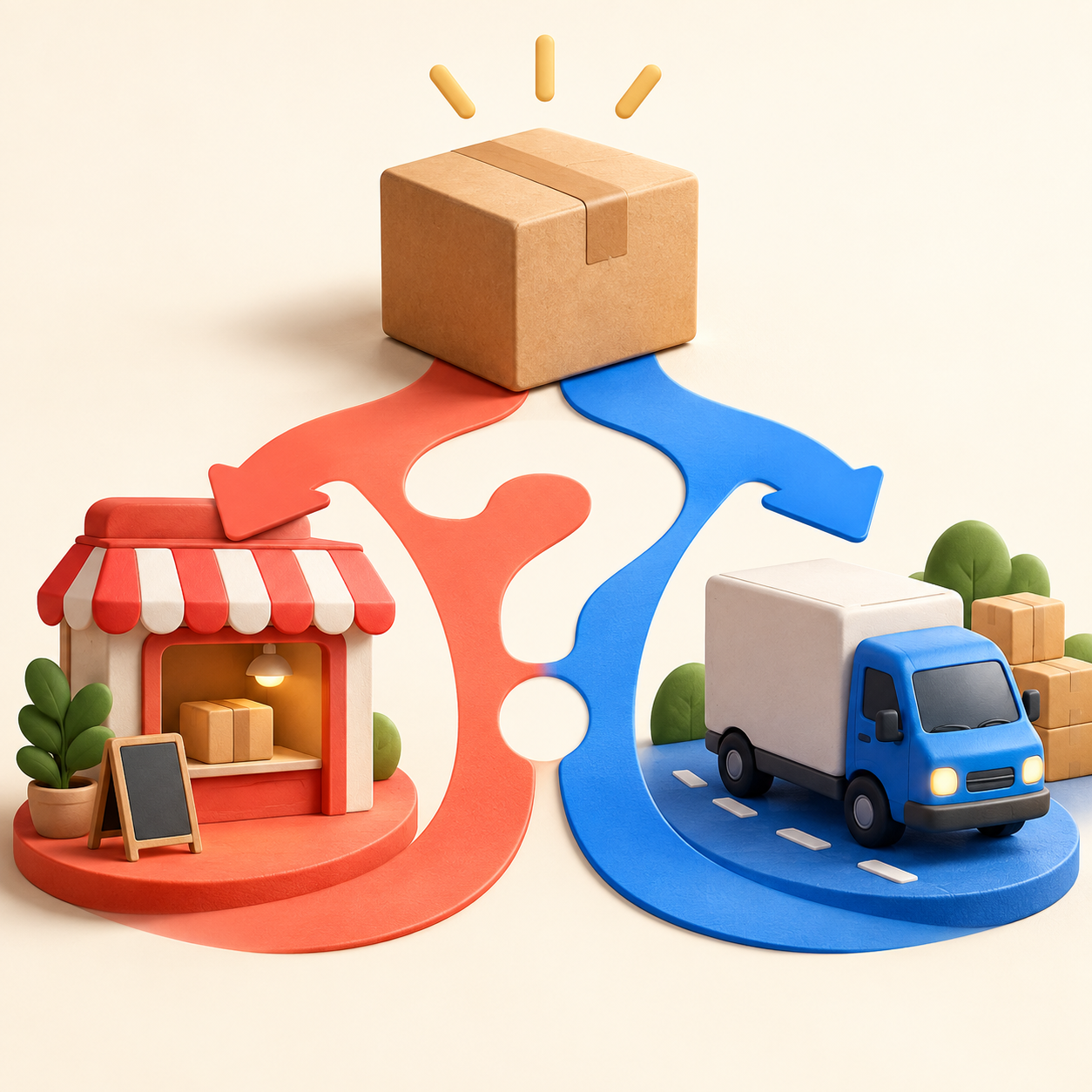
Amazon shows you two things near the Buy button: who sold you the item, and who's shipping it. Most people never read either one.
That's usually fine. Sometimes it isn't.
The seller and the shipper aren't always the same company, and that gap is where slow deliveries and confusing returns tend to start.
Sold By
This is the name of whoever's actually selling you the item. Sometimes that's Amazon. More often, it's an independent seller with a storefront on Amazon's marketplace, anywhere from a major brand to a single person running things out of a spare room.
Amazon doesn't distinguish between the two here. It just shows you a name. That name is who owns the transaction, even though you're checking out through Amazon.
Ships From
Different question entirely. This one's about logistics, not ownership: who's packing the box, who's getting it to your door.
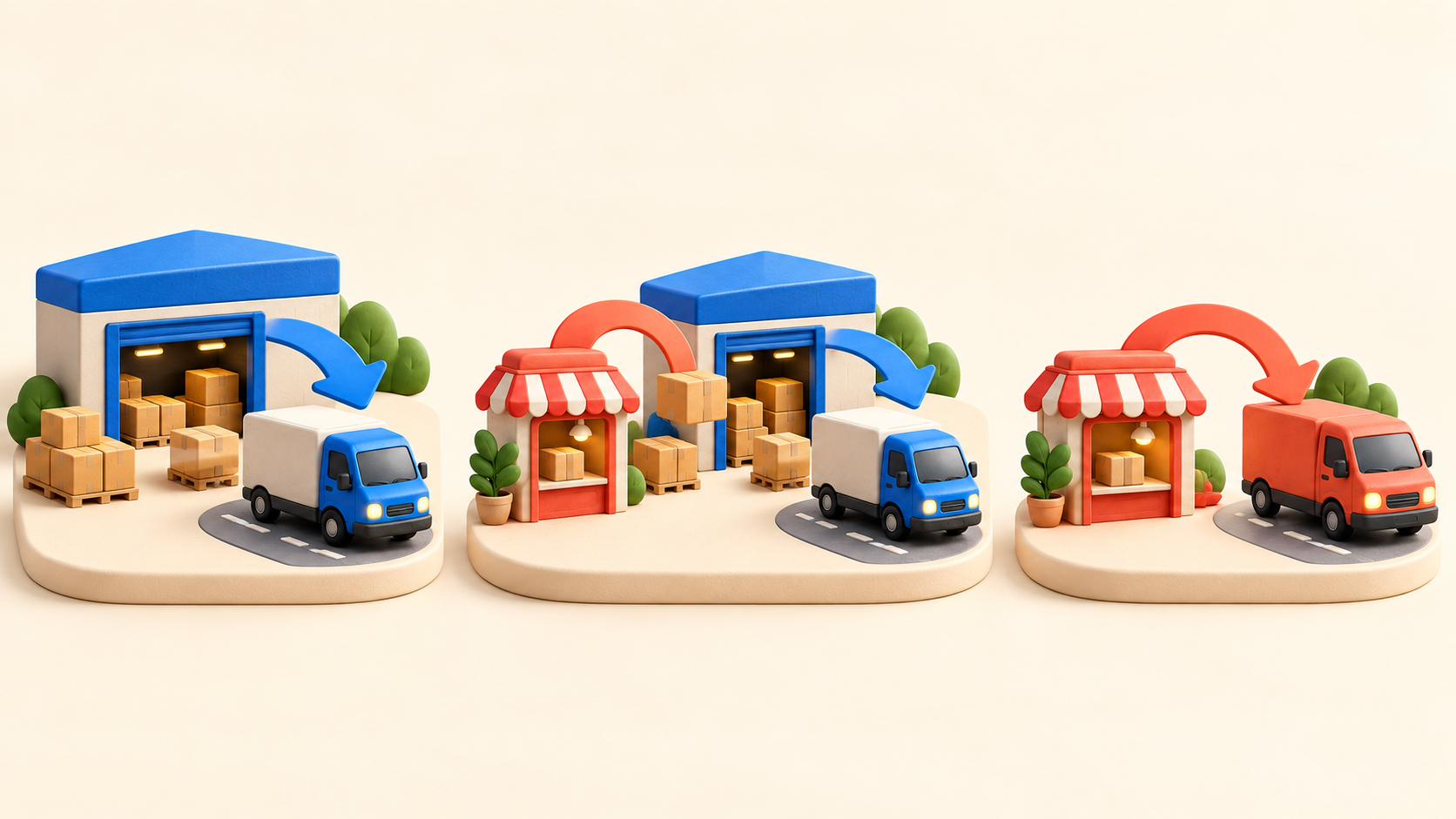
Here's the part that surprises people. A seller can own the product and still hand off all the shipping to Amazon. They send their inventory to an Amazon warehouse ahead of time, and Amazon fulfills each order as it comes in. So you'll sometimes see Amazon listed as the shipper right next to a completely different name listed as the seller.
Worth knowing: Amazon doesn't display this identically everywhere. Some versions of the site show two separate lines. Others combine it into one, like "Seller" or "Shipper/Seller." Same information, different layout. Check the actual listing in front of you.
The Three Setups
- Amazon sells it, Amazon ships it. Both ends handled by Amazon.
- A seller sells it, Amazon ships it. Often labeled "Fulfilled by Amazon." The seller owns the inventory, but it sits in an Amazon warehouse, and Amazon packs, ships, and handles returns.
- A seller sells it and ships it. No Amazon involvement in logistics. Delivery speed and packaging depend entirely on how that seller runs their operation.
None of these is inherently better. They're just different trade-offs.
Delivery Speed Follows the Shipper, Not the Seller
This one's straightforward, and worth remembering: if Amazon's shipping it, you get Amazon's delivery network. If the seller's shipping it themselves, you're depending on their process, which varies a lot more than people expect.
If you're working against a real deadline, check the delivery date on that specific listing instead of trusting a badge or icon.
Returns Used to Depend on This More Than They Do Now
A few years ago, this distinction mattered a lot. Amazon-shipped orders got fast, standardized returns. Seller-shipped orders often meant emailing someone directly and waiting.
That gap has mostly closed. Amazon still handles customer service and returns directly for anything it fulfills, and return windows still vary by category (electronics tend to get shorter windows than most other goods), but the process is far more consistent across both setups than it used to be.
Still, check the return policy on the exact listing before buying. Don't assume it matches something you bought last month.
Why "Similar" Listings Aren't the Same Listing
Search for something ordinary, like a phone charger, and you'll get forty listings that look nearly identical. Same photo, close price, titles that blur together.
They're not interchangeable. Different sellers, different shippers, different return terms, sometimes different specs, all hiding behind photos that look the same. The photo tells you almost nothing.
Before You Buy
- Check whether the seller and shipper match.
- Click the seller's name and actually read the profile.
- Skim reviews for shipping and delivery complaints, not just product quality.
- Compare delivery dates and shipping costs between listings.
- Read the return policy on that specific listing.
- Confirm size, model, and what's included.
Where Lowly Fits In
Doing all of that across several listings usually means a pile of open tabs. Lowly is a free browser extension, available for Chrome and Firefox, that surfaces similar listings in a popup right on the Amazon page you're viewing, sorted by similarity and price.
Similarity is based on what sellers list, so matches aren't guaranteed to be exact. Lowly doesn't rate or vouch for any seller, and it doesn't track prices or send alerts. It surfaces the listings. The checking above is still on you.
The Decision Is Always Yours
Some people care most about speed. Others care about returns. Others just want a seller they trust. There's no universally correct setup, only the one that fits what you need this time.
Common Questions
Is "Sold by Amazon" the same as "Ships from Amazon"?
No. One's about who sold it, the other's about who shipped it. An item can be sold by a third party and still ship from Amazon.
Why would the seller and shipper be different companies?
The seller uses Amazon's fulfillment service. They still own the product; Amazon handles storing, packing, and shipping it.
Does "Fulfilled by Amazon" mean the seller can be trusted?
No. It means Amazon handles logistics, which affects speed and returns. It says nothing about whether Amazon has vetted the seller. Check the seller's profile yourself.
Why does the same product show up under different sellers at different prices?
Multiple sellers can list the same or similar product with different shipping and return terms attached. Compare the listing details, not just the price.
Do return policies still depend on who ships the item?
Less than they used to. Handling has become more consistent, though return windows can still differ by category. Check the specific listing to be sure.